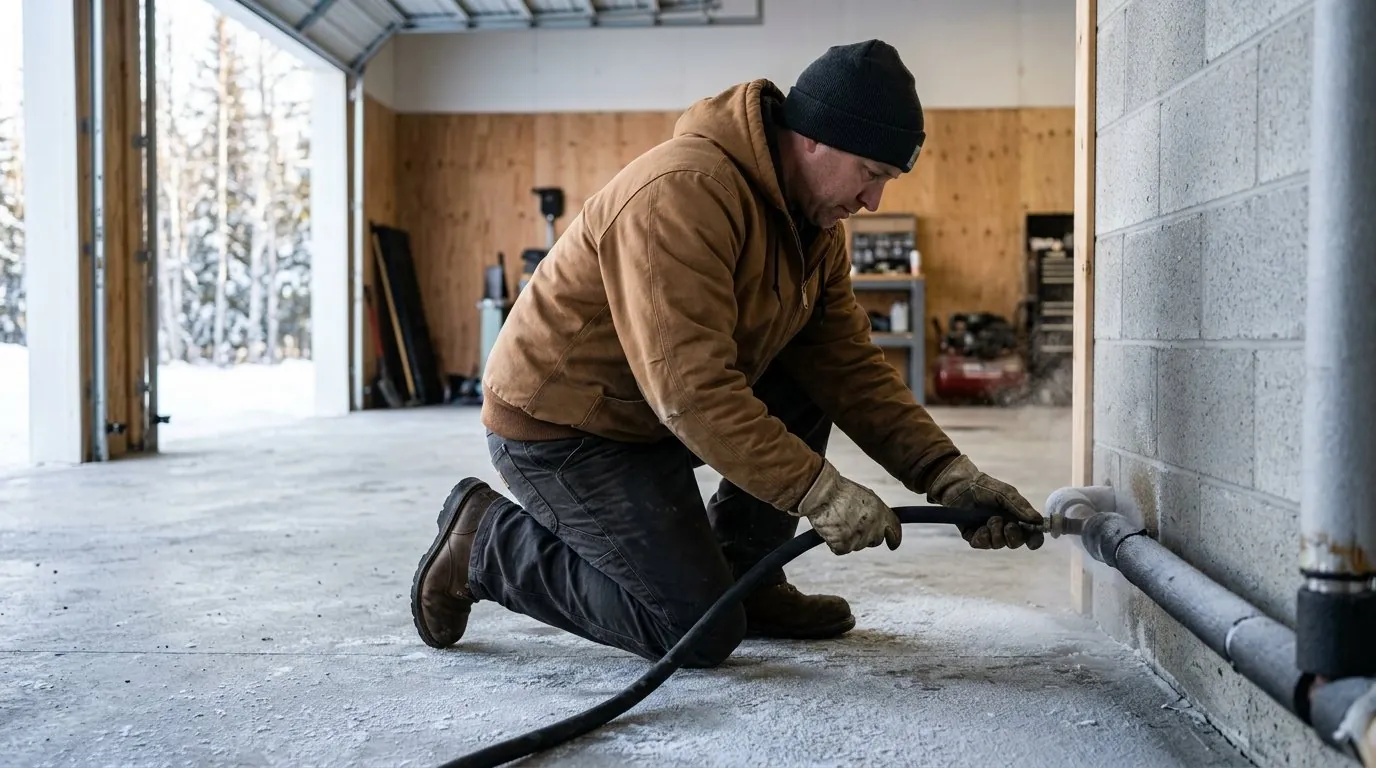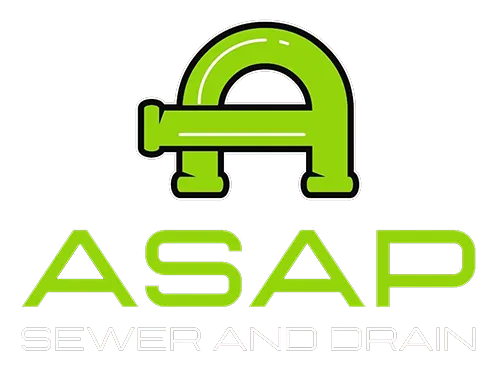
A sewer camera inspection is the fastest way to find out why your drains keep backing up before Anchorage's deep freeze sets in. Instead of guessing at the cause, a small HD crawler camera travels through your main line and shows technicians exactly what's happening underground. That matters right now, in November, because the ground is actively freezing and any existing pipe damage is about to get worse.
Why November Is the Right Time to Look Underground
Anchorage soil goes through dramatic freeze-thaw cycles every year. As the frost line pushes deeper through late fall, ground movement (called frost heave) puts pressure on buried pipes. Older homes built before the 1990s, often with clay or cast iron main lines, are especially vulnerable to this shifting.
That pressure doesn't fix itself. It creates offset joints, hairline cracks, and low spots called bellies where wastewater pools instead of draining. Once that water sits still during a cold snap, it can freeze solid and turn a slow drain into a full blockage.
Signs Your Sewer Line Needs a Closer Look
Most homeowners don't think about their main sewer line until something backs up. By then, the problem has usually been building for a while.
Watch for these warning signs:
- Gurgling sounds coming from toilets or floor drains
- Multiple fixtures draining slowly at the same time
- Recurring backups that clear temporarily but return within weeks
- Sewage odors near basement drains or outdoor cleanouts
- Soggy or sunken patches in the yard above the sewer line
Any one of these on its own might seem minor. Together, they often point to a structural issue that snaking alone won't solve.
What a Sewer Camera Inspection Actually Shows
A sewer camera inspection gives technicians a direct view inside the pipe, without digging up your yard first. The footage reveals root intrusion, cracked joints, bellied sections, and buildup that's narrowing the line. It also tells your technician whether a backup is a simple clog or a sign of deeper structural trouble caused by ground movement.
This matters because treating the symptom instead of the cause wastes time and money. If a technician only clears a clog without knowing a pipe has shifted, that same backup will return. A sewer camera inspection lets the crew plan the right fix the first time, whether that's a targeted repair or a different clearing method.
How This Connects to Drain Clearing Methods
Camera footage often changes which clearing method makes sense. A straightforward clog might only need snaking to restore flow quickly. Sometimes the camera shows grease buildup coating the pipe walls. A full hydro jetting treatment then clears the entire diameter, instead of just punching a hole through the blockage.
Cold temperatures speed up how fast fats, oils, and grease congeal inside drain lines. That buildup creates a rough surface that traps hair and paper waste, and it gives ice something to grab onto during a hard freeze. Camera inspection shows exactly how much buildup exists before anyone decides on a repair plan.
Buying or Selling a Home This Winter
Anyone purchasing a home in Anchorage, Palmer, Knik River, or Whittier should treat a sewer camera inspection as a standard pre-purchase step, not an afterthought. Main line problems are invisible from inside the house and rarely show up on a general home inspection. A camera inspection can confirm whether the sewer line is sound. Or it can reveal whether frost heave and age have already caused damage that will need attention soon.
This small step protects buyers from inheriting an expensive underground problem. It also gives sellers documentation to address issues before they become negotiating points.
Catching Problems Before They Become Emergencies
Waiting until a backup floods a basement is the expensive way to find out there's a problem. Early identification, paired with the right repair, costs far less than emergency cleanup and structural repairs after a burst or collapsed line. Customers consistently say they want clear, upfront answers. They want to know what's wrong before work begins, not to be told to just wait and see.
Working with ASAP Sewer and Drain, Inc means a technician brings the camera equipment directly to your property and walks you through the footage. You see what they see, and you understand exactly why a particular repair is being recommended.
Frequently Asked Questions
How long does a sewer camera inspection take?
Most residential inspections take under an hour, depending on how far the camera needs to travel and how many access points are available.
Can a sewer camera inspection find problems before they cause a backup?
Yes. That's the main advantage. The camera can catch early offset joints, root intrusion, or buildup long before they cause a full blockage. This is especially useful heading into Alaska's harshest freeze months.
Does frost heave damage happen gradually or all at once?
It's usually gradual. Each freeze-thaw cycle shifts the ground slightly, and over years that repeated pressure causes cracks, offsets, and bellies in older pipe materials.
Will a sewer camera inspection work on frozen pipes?
The camera is typically used on main sewer lines that are still flowing, even if partially restricted. If a line is fully frozen, steam thawing is usually needed first to restore flow before camera footage can be captured.
Is a camera inspection necessary if my drains seem fine?
Older homes with clay or cast iron main lines benefit most. Scheduling an inspection proactively makes sense, since problems often develop underground long before symptoms appear indoors.
If your drains have been acting up lately, reach out before the deep freeze arrives. Or maybe you just want peace of mind. Contact ASAP Sewer and Drain, Inc to schedule a sewer camera inspection and check your main line's condition.
Inquire with Us
Share this Article
Our Recent Blog Articles