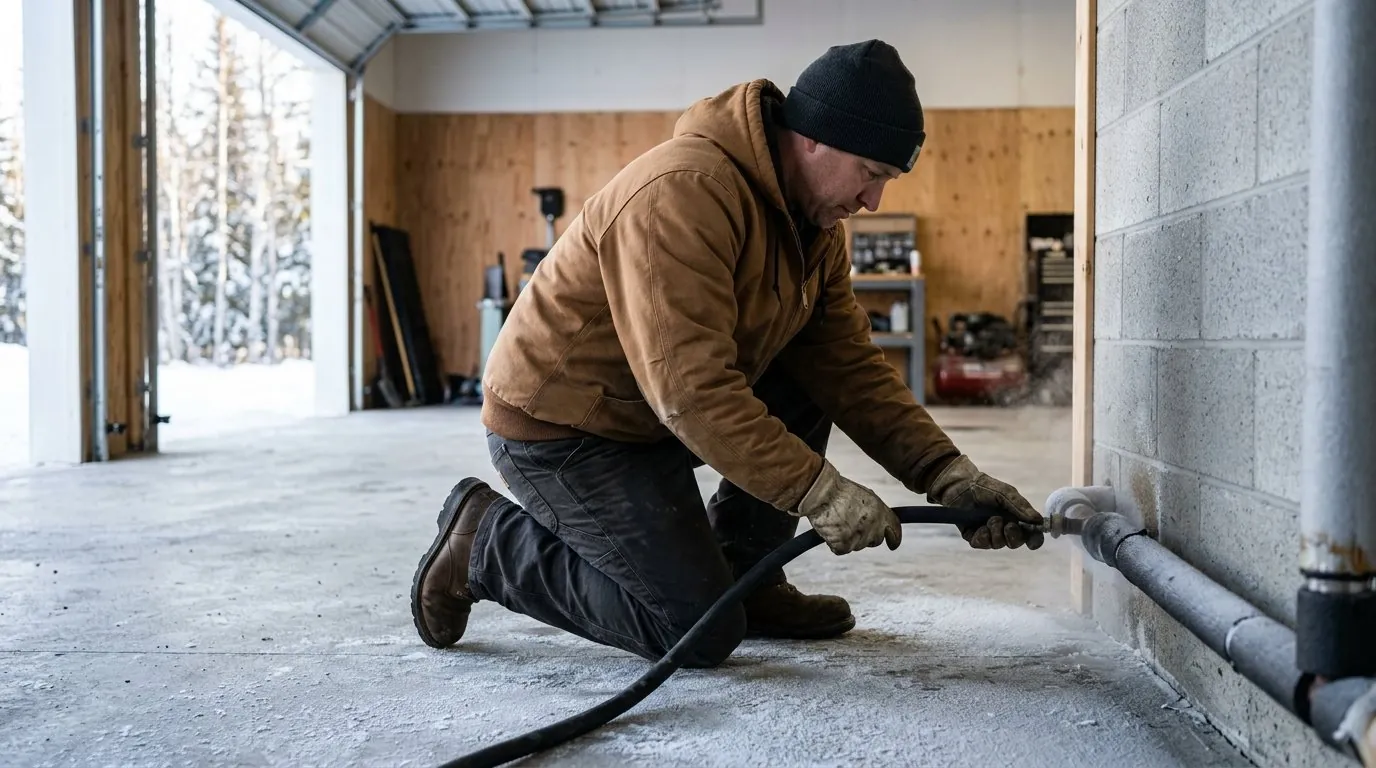
A sewer camera inspection can reveal hidden pipe damage before it becomes a costly emergency. For Anchorage homeowners, scheduling one this fall could be the single most important home maintenance decision of the year.
Anchorage's underground infrastructure takes a beating. Decades of freeze-thaw cycles, frost-saturated soils, and aging pipes create conditions that simply don't exist in warmer climates. Many residents don't realize a problem exists until a drain backs up at midnight or a basement floods during a cold snap. A camera inspection changes that. It gives you a clear picture of what's actually happening inside your pipes. Act before the ground freezes solid and repairs become exponentially harder.
ASAP Sewer and Drain, Inc has seen firsthand how much damage goes undetected until it's too late. Fall is your window. Use it.
What Is a Sewer Camera Inspection?
A sewer camera inspection involves threading a high-definition, waterproof camera through your sewer lines via an access point in your home. The camera feeds live footage to a monitor. A trained technician watches in real time, identifying cracks, root intrusion, joint separations, grease buildup, and other structural issues.
It's fast, non-invasive, and extraordinarily precise. There's no guesswork. You see exactly what's there.
Why Fall Is the Ideal Window in Anchorage
Timing matters. September in Anchorage sits right in the sweet spot. The ground hasn't frozen yet. Technicians can still access and assess your lines without fighting ice. If the inspection uncovers a problem, there's still time to schedule repairs before the frost line descends.
Once winter arrives, subsurface conditions change dramatically. Frozen ground makes excavation costly and logistically difficult. And here's a detail that surprises many homeowners: pipe problems don't always surface when temperatures are coldest. A well-documented process called the "freezing lag" means the frost line keeps pushing deeper after the air temperature bottoms out. In water-saturated Alaskan soils, the freezing level can drop by as much as three feet per month. It reaches its deepest point just as spring begins.
That's why so many Anchorage residents experience sudden sewer failures in March or April, not December. The damage was already there. The ice just held it together.
Warning Signs You Shouldn't Ignore Right Now
Some pipe problems announce themselves clearly. Others are subtle. Here are signs that your sewer line may need immediate attention:
- Slow drains in multiple fixtures simultaneously (not just one sink or tub)
- Gurgling sounds coming from drains or walls after flushing
- Sewage odors near floor drains or in the basement
- Unexplained wet spots in your yard
- Recurring clogs that keep returning shortly after clearing
- A sudden drop in water pressure throughout the home
Any one of these can point to a deeper issue in your main sewer line. In Anchorage's climate, "wait and see" is a costly strategy.
What the Camera Reveals That You Can't See Otherwise
This is where the camera inspection earns its value. Standard drain snaking clears a clog, but it doesn't tell you why the clog keeps coming back. The camera does.
Common findings in Anchorage homes include shifted pipe joints caused by ground movement, hairline cracks that formed during a deep freeze, and grease layers hardened against cold pipe walls. In homes built more than 30 years ago, which represents a significant portion of Anchorage's residential housing stock, original cast iron or clay sewer lines are often showing their age.
Shifted joints are particularly common after harsh winters. Frozen ground melts and shifts in spring. Buried sewer lines can be pushed slightly out of alignment. A small offset in a joint may not cause an immediate blockage, but it creates a ledge where debris catches. Over time, that ledge becomes a complete blockage or allows soil infiltration.
Hairline cracks are equally deceptive. During winter, ice sometimes holds fractured pipe sections together. The crack is invisible from the outside. It produces no symptoms. Then the thaw arrives, the ice disappears, and water suddenly begins escaping into the surrounding soil. That's when homeowners discover a sewer line repair that could have been caught months earlier for far less money.
The Cost of Waiting vs. the Value of Prevention
Proactive diagnostics are a minor investment. Sewer line repair or emergency excavation is not. Most plumbing emergencies don't happen without warning. They build slowly, telegraph their presence through subtle symptoms, and then fail at the worst possible moment.
A camera inspection gives you documented evidence of your pipe's condition. If everything looks good, you have peace of mind heading into winter. If the camera finds a problem, you can schedule the appropriate service before it escalates. That might mean a targeted sewer line repair, a hydro jetting session, or steam thawing to address a developing freeze point.
Acting in September means you control the timeline. Waiting until January means you're reacting to an emergency, and emergency service always costs more.
FAQs
How long does a sewer camera inspection take?
Most residential inspections take between one and two hours. The timeline depends on the length and accessibility of your sewer lines and how many access points are available.
Will the camera inspection damage my pipes?
No. The camera is flexible and designed to navigate pipe interiors without contact that would cause harm. It's entirely non-destructive.
How often should Anchorage homeowners schedule a camera inspection?
For homes with older plumbing systems or a history of recurring clogs, an annual inspection is a smart investment. For newer construction without prior issues, every two to three years is reasonable. That said, scheduling one before each winter is always a sound approach given local conditions.
What happens after the inspection if a problem is found?
Your technician will review the footage with you and explain what was found in plain terms. From there, ASAP Sewer and Drain can recommend the right next step, whether that's drain snaking, hydro jetting, steam thawing, or a more involved sewer line repair.
Can tree roots really affect urban sewer lines in Anchorage?
Absolutely. Tree roots seek moisture and can infiltrate even small cracks in sewer lines. This is common across many Anchorage neighborhoods, particularly in mature residential areas with established landscaping.
Don't wait until a frozen or failed sewer line forces your hand. Schedule your inspection while you still have time to address whatever is found. Contact ASAP Sewer and Drain today to book your fall sewer camera inspection and head into winter with confidence.

Inquire with Us
Share this Article
Our Recent Blog Articles