Living in Anchorage, AK means dealing with long, harsh winters, and while the beauty of the season is undeniable, the freezing temperatures can take a toll on your home’s plumbing. Frozen and burst pipe issues are among the most common—and most damaging—winter plumbing emergencies for homeowners. A frozen pipe can quickly escalate into a burst pipe, leading to flooding, structural damage, mold growth, and thousands of dollars in repairs.
The key to protecting your property is knowing how to prevent frozen pipes, how to respond when they occur, and when to call in professionals for frozen pipe repair or burst pipe repair services. At ASAP Sewer and Drain, Inc., we want to help Anchorage homeowners stay prepared all season long. This guide will walk you through everything you need to know to handle these plumbing emergencies quickly and effectively.
What Causes a Frozen and Burst Pipe?
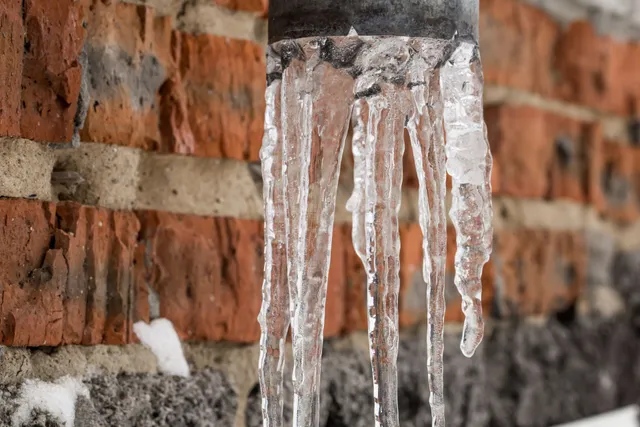
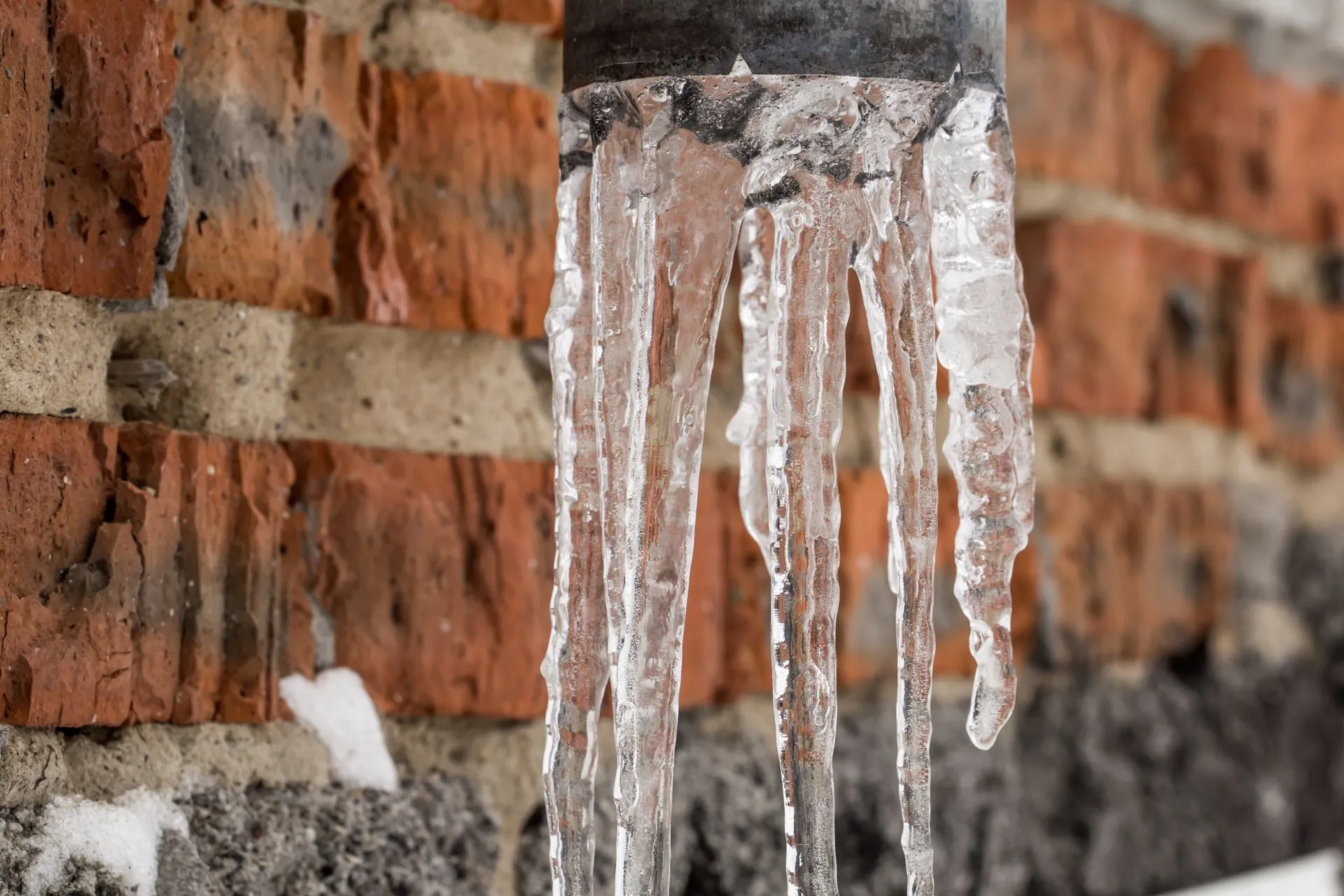
When the air temperature falls significantly, the water within pipes turns into ice, causing them to freeze. As water turns to ice, it expands. This expansion creates extreme pressure inside the pipe, often exceeding the pipe’s capacity. When that pressure has nowhere else to go, the pipe cracks or bursts.
Areas most likely to develop frozen and burst pipe problems include:
- Exposed outdoor piping
- Uninsulated pipes in crawl spaces, attics, and garages
- Pipes running along exterior walls
- Plumbing located near drafty windows or doors
In Anchorage, where winter temperatures frequently plunge well below freezing, the risk is particularly high. The combination of long, cold spells and high winds accelerates the freezing process. Even newer homes can experience frozen pipe issues if certain areas lack adequate insulation or airflow.
Warning Signs Your Pipes Are Frozen
Catching the problem early can save you from major damage. Here are some common warning signs:
Reduced or No Water Flow
If water trickles—or stops entirely—when you turn on a faucet, you may have a frozen section in your plumbing line.
Frost on the Pipe Exterior
Visible frost buildup is a strong indicator of freezing inside the pipe.
Strange Odors
A blocked frozen pipe can trap odors inside your plumbing system, forcing them back into your sinks or drains.
Unusual Sounds
Whistling, banging, or bubbling noises in your pipes may signal pressure buildup caused by freezing.
If you notice any of these signs, do not ignore them. Acting quickly can prevent a full pipe rupture.
Immediate Steps to Take When You Have a Frozen Pipe
Before calling a plumber, there are a few things you can do to minimize damage and begin the thawing process.
Keep Faucets Open
Turn on the faucet connected to the frozen pipe. The running water helps relieve pressure and aids in melting the ice.
Apply Gentle Heat
Use one of the following methods to warm the pipe gradually:
- Hair dryer
- Warm, damp towels wrapped around the pipe
- Portable space heater positioned safely nearby
Avoid anything with an open flame. Using a blowtorch or propane heater can create a fire hazard and cause the pipe to burst instantly.
Turn Up the Heat in Your Home
Raising the thermostat may help thaw pipes inside walls or crawl spaces.
Shut Off the Main Water Supply if the Pipe Has Burst
If you see water dripping or spraying, turn off your home’s main water valve immediately. This prevents further flooding and reduces damage until professional help arrives.
While these steps can help with minor issues, they are not always enough. For severe blockages or ruptures, you’ll need a trained plumber to perform proper frozen pipe repair or burst pipe repair services.
When to Call a Professional for Frozen and Burst Pipe Emergencies
Not every frozen pipe can be safely thawed by a homeowner. Some situations require immediate help from a licensed professional.
Consider calling
ASAP Sewer and Drain, Inc. if:
- You cannot locate the frozen section
- Your attempts at thawing are unsuccessful
- You hear hissing or see water leaking
- A pipe has cracked or burst
- The frozen pipe is behind a wall or difficult-to-access area
Our team specializes in safely
thawing frozen pipes, repairing burst lines, and preventing further damage to your home. We use professional-grade thawing equipment and advanced diagnostics to identify the exact problem area without unnecessary destruction to your property.
Frozen pipes can burst at any moment, even after you begin thawing them. Professional help ensures the situation is handled properly, reducing the risk of structural damage, mold, and costly repairs.
How to Prevent Frozen and Burst Pipe Problems in Anchorage, AK
Prevention is always more affordable than emergency
plumbing repair. Here are steps every homeowner should take before and during winter:
Insulate Vulnerable Pipes
Use foam insulation tubes or heat tape for pipes located in unheated areas.
Seal Drafts
Close gaps around windows, foundation cracks, and exterior doors to keep cold air away from plumbing.
Keep Cabinet Doors Open
In kitchens and bathrooms, open cabinets under sinks to allow warm air to circulate around plumbing.
Let Faucets Drip
Running a small stream of water through faucets can help prevent freezing during extremely cold weather.
Maintain Indoor Temperatures
Keep your heat set to at least 55 degrees, even when you’re away from home.
Schedule Routine Plumbing Maintenance
A professional inspection can identify vulnerable areas before they become emergencies.
ASAP Sewer and Drain, Inc. provides winterization services that help Anchorage homeowners protect their plumbing and reduce the risk of frozen and burst pipes throughout the harsh winter season.
Why Choose ASAP Sewer and Drain, Inc. for Frozen Pipe Repair and Burst Pipe Repair Services?
When emergencies happen, you need a local plumbing company that understands Alaska’s unique climate and challenges. ASAP Sewer and Drain, Inc. is trusted by homeowners across Anchorage because we respond quickly, work efficiently, and prioritize long-term solutions.
Here’s why we stand out:
Fast Emergency Response
Frozen and burst pipe situations require immediate attention. We arrive quickly to stop the damage and begin restoration.
Local Experience
We know Anchorage’s climate better than anyone. Our team understands where freezes happen most frequently and how to fix them properly.
Advanced Equipment
We use specialized heating tools, moisture-detection devices, and high-quality replacement materials to ensure durable repairs.
Preventive Guidance
We not only fix the issue but also provide recommendations to help you avoid future frozen pipe problems.
Honest, Upfront Pricing
You’ll always know what to expect before the work begins.
If you’re facing a frozen and burst pipe emergency, you can rely on ASAP Sewer and Drain, Inc. to protect your home’s plumbing system with expert care.
Contact ASAP Sewer and Drain, Inc. About Frozen and Burst Pipes
Don’t wait until a frozen pipe becomes a burst pipe disaster. If you suspect a freeze or are already dealing with water damage, our team is here to help immediately.
Call us at
(907) 717-9777 to schedule service or request emergency plumbing assistance.
ASAP Sewer and Drain, Inc. is committed to keeping your Anchorage home safe, efficient, and protected—no matter how cold the winter gets.
We also do hydro jetting, drain snaking, drain camera inspection, and more.
FAQs
How do I know if my pipe is frozen?
Look for reduced water flow, frost on exposed pipes, unusual smells from faucets, or strange noises. These are common indicators that ice is forming inside the pipe.
Can a frozen pipe thaw on its own?
It can, but waiting is risky. Pressure can continue to build, and the pipe may burst unexpectedly. It’s safer to take action or call a professional.
What should I do if my pipe bursts?
Turn off the main water supply immediately and contact a plumber. Avoid using electrical appliances near water and clean up excess water to prevent mold growth.
How quickly can a pipe freeze in Anchorage?
With extreme temperatures, a pipe can freeze within hours—especially in uninsulated or exposed areas.
Does homeowners' insurance cover burst pipe damage?
Policies vary, but many cover sudden water damage from burst pipes. It’s best to review your policy or speak with your insurance provider.
Inquire with Us
Share this Article
Our Recent Blog Articles